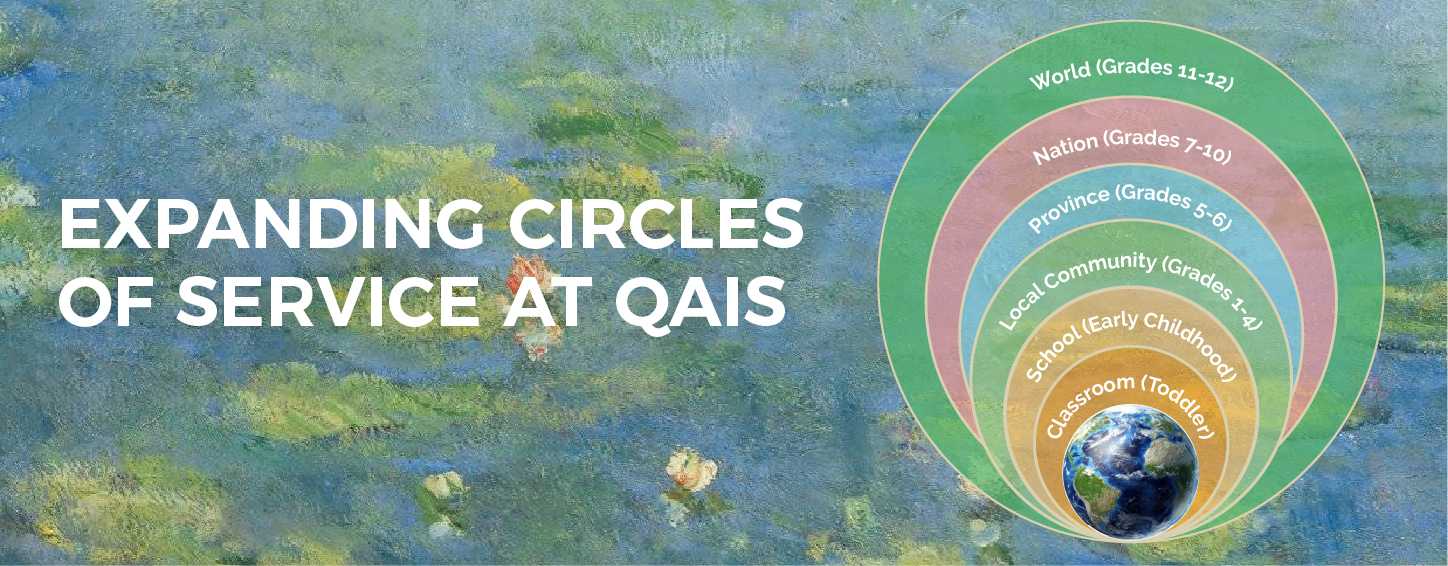
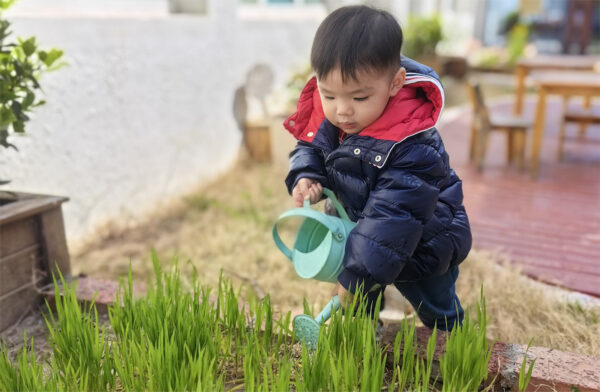
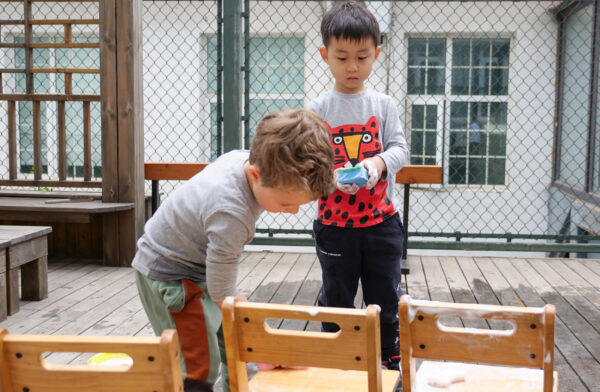
In our Montessori toddler program, service begins in the classroom, where young learners cultivate a sense of responsibility and community. Guided by Montessori principles, our toddlers engage in simple yet meaningful tasks such as tidying their spaces, caring for classroom plants, and assisting peers with daily activities. These actions nurture a foundational awareness of service, emphasizing the importance of contributing to one’s immediate environment. Through these activities, toddlers develop empathy, independence, and a budding appreciation for the collective efforts that sustain their learning community.
Early Childhood: Serving Our School
As students progress to the early childhood stage, service expands to encompass the entire school. Here, to make the Practical Life curriculum come alive, children contribute to the larger school community through projects like cleaning and recycling initiatives, maintaining school gardens, serving fruits and student-made baked goods to members of the community, and participating in collaborative art installations. By aligning with IB-Montessori principles, these activities underscore the interconnectedness of individual actions and communal well-being. Early childhood students learn to appreciate their role in the school ecosystem, building respect for shared spaces and a commitment to creating a nurturing educational environment for all.
Grades 1-4: Serving Our Local Community
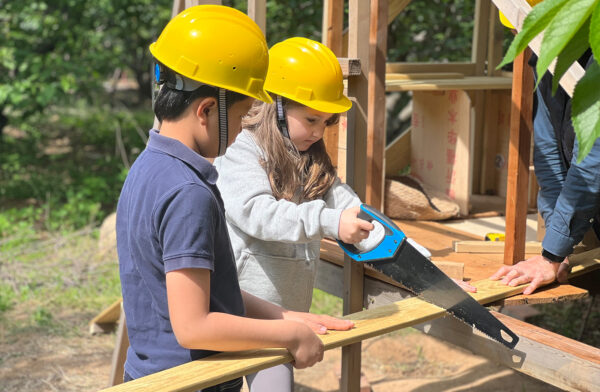
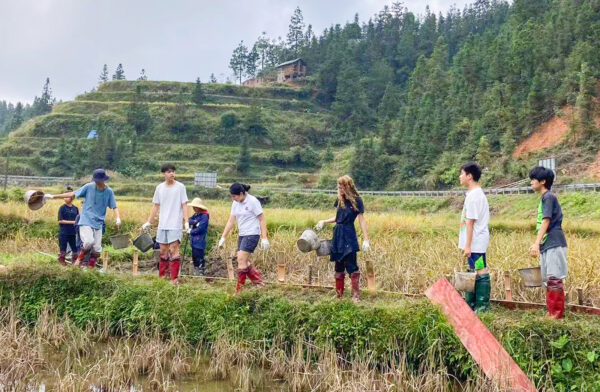
In Grades 1-4, our students venture beyond the school gates to engage with the local community. Emphasizing the Montessori and IB focus on interconnectedness, students learn basic farming and building techniques, participate in neighborhood clean-ups, raise funds for our rural sister school partnership in Jimo through their annual Literacy Week Reading Marathon, and initiate community art projects. These activities encourage students to explore their surroundings while addressing local needs. Through these service projects, students cultivate a deeper understanding of civic responsibility, empathy, and the impact of collective actions, setting the stage for broader engagement in societal issues.
Grades 5-6: Serving Our Province
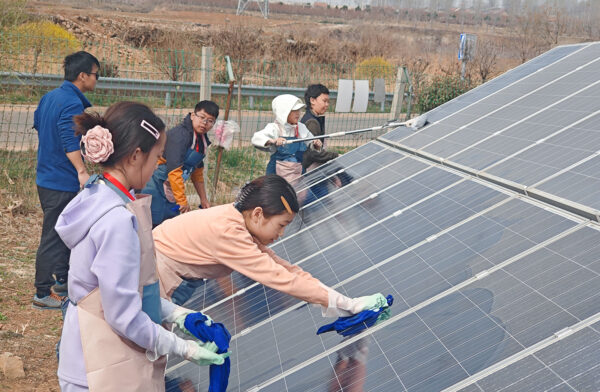
Grades 5-6 initiate students into service at the provincial level, marked by their first experience with our unique Weeks without Walls (WWW) service trips. Here, students learn how Shandong Province is currently tackling the United Nations Sustainable Development Goals, then engage in real-world projects like cleaning and preparing solar panels for use, planting trees, repairing roads, and visiting a hydropower plant to gain a greater
understanding of sustainable energy. These trips, grounded in both IB and Montessori principles, challenge students to apply their knowledge and skills in diverse settings, fostering a sense of global citizenship and a commitment to sustainable development while staying connected to their provincial identity.
Grades 7-10: Serving Our Nation
Building on their previous service experiences, students in Grades 7-10 engage in national service projects, through WWW trips across China. Projects such as cultural conservation, the protection of endangered species, and economic development endeavors underscore a connection to broader national and regional challenges. These initiatives align with IB’s Middle Years Programme’s Community and Personal Projects, encouraging students to critically analyze and respond to national issues. Through these experiences, students develop leadership skills and a profound understanding of national identity and civic duty.
Grades 11-12: Serving Our World
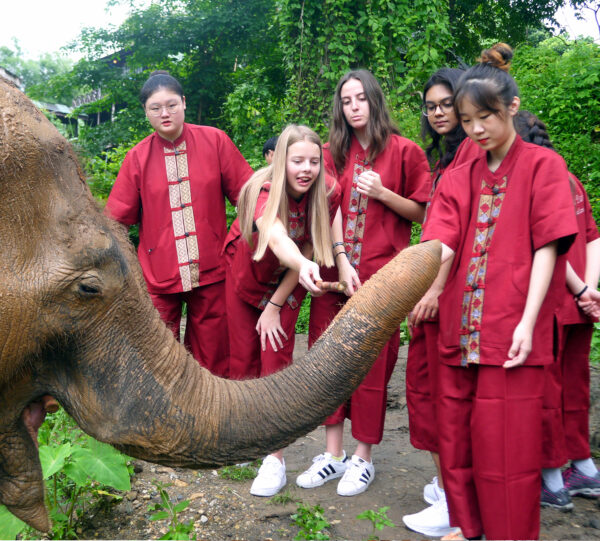
For Grades 11-12, service extends globally and is integrally linked with the IB Diploma Programme’s Creativity, Activity, Service (CAS) elements. Students embark on Weeks without Walls (WWW) trips that tackle global challenges, such as climate change and human rights. Notable projects include working at the Elephant Sanctuary in Chiang Mai, Thailand, where students learn how to protect endangered species and directly contribute to wildlife conservation efforts. In Vietnam, students have taken on ambitious initiatives like building a road from scratch to connect rural areas to urban centers, facilitating the transportation of food and improving local infrastructure. Additionally, in Mongolia, students have engaged in environmental stewardship by planting bushes to prevent desertification and promote sustainable land use. These experiences, alongside decade-long partnerships with LaoShan Special Needs School and Sunshine Children’s Hospital, allow students to apply their learning in meaningful ways, fostering global solidarity and equity. By addressing Sustainable Development Goals (SDGs), students gain a global perspective that empowers them to connect local realities to international challenges, shaping them into informed, compassionate global citizens poised to positively impact the world.