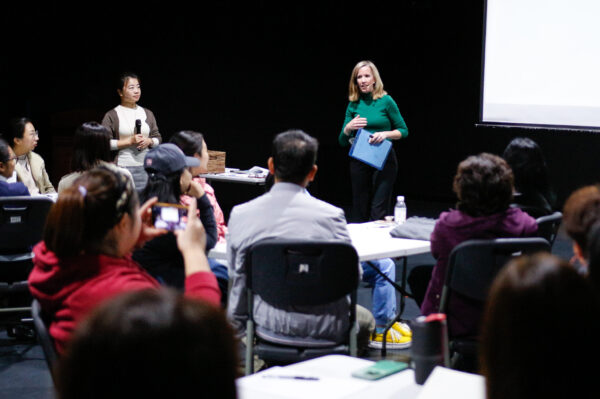
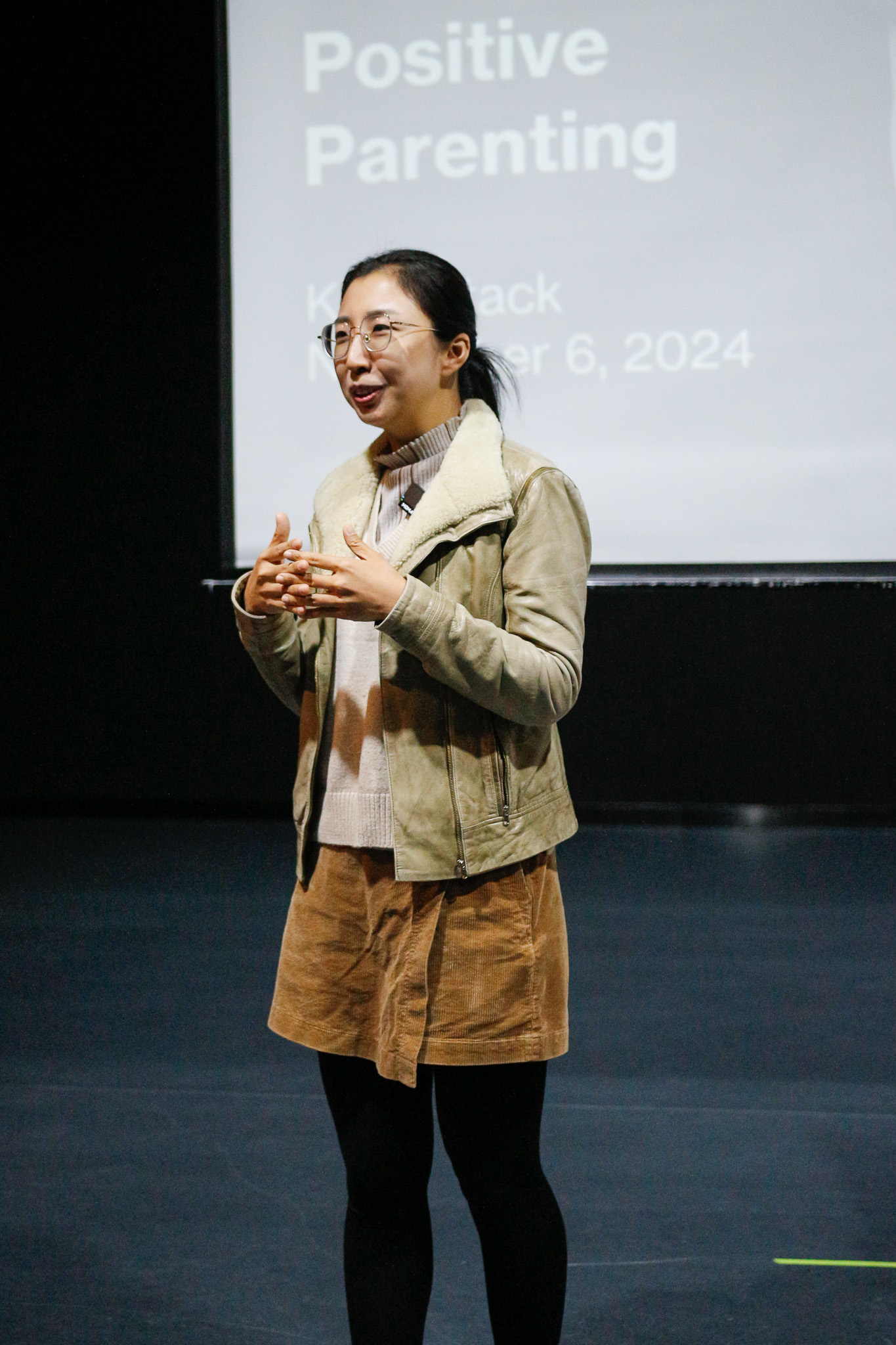
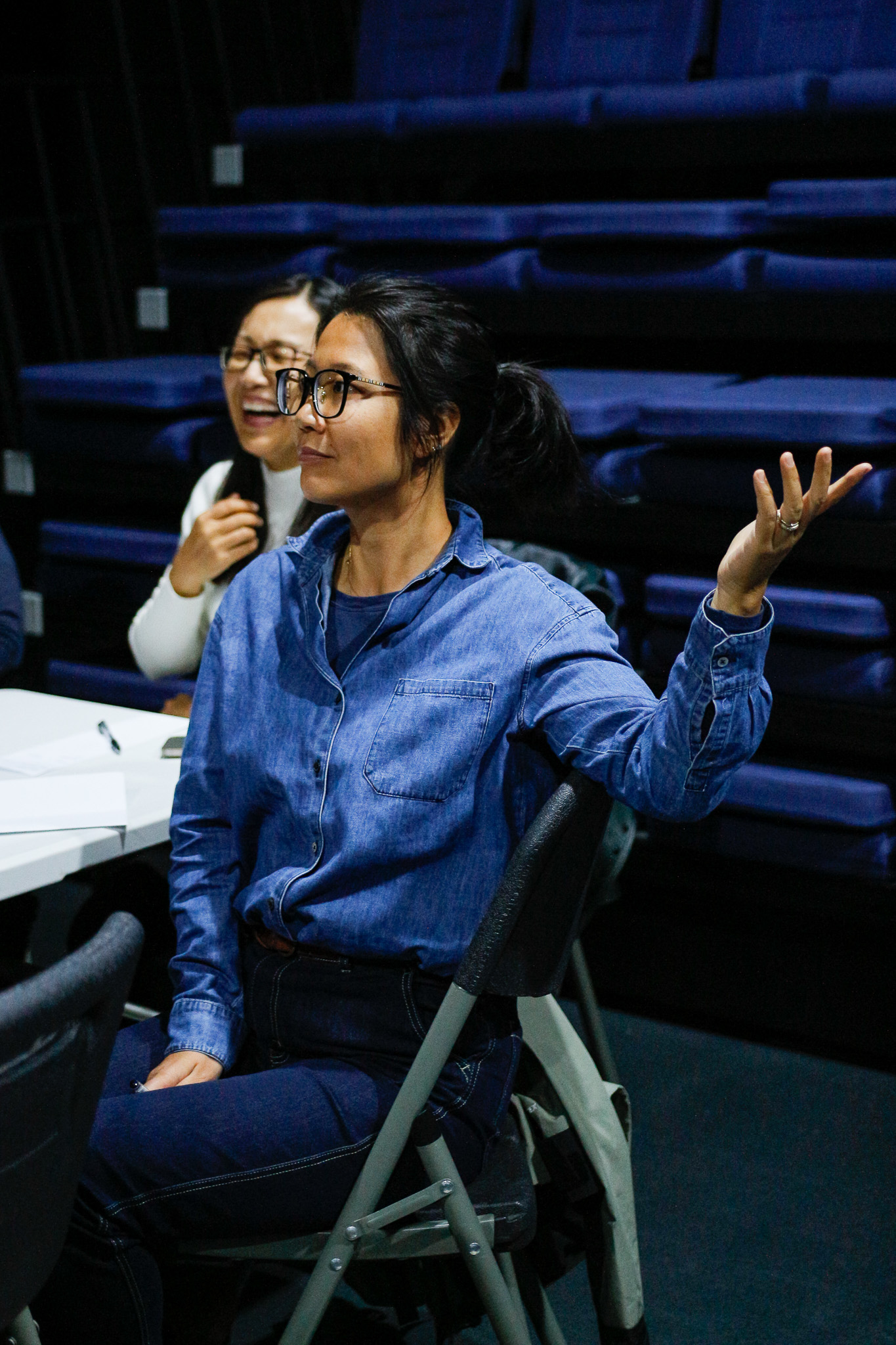
Amerasia seeks to co-create a partnership with parents to cultivate an inclusive and vibrant community to ensure home-school partnership that provides consistency for students from home to school. Katy Stack, Assistant Director, LowerSchool Principal & Montessori Coordinator, hosted a parent workshop on Positive Parenting—a style of parenting grounded in parental behaviors that foster a child’s capacity to develop necessary life skills and characteristics.
Positive parenting is an approach that emphasizes the importance of building a positive and healthy relationship between parent and child. It involves creating a safe and nurturing environment in which a child can grow and learn, while also building their self-esteem and emotional well-being. Positive parenting encourages parents to focus on their child’s strengths and to celebrate their achievements, rather than focusing solely on their weaknesses.
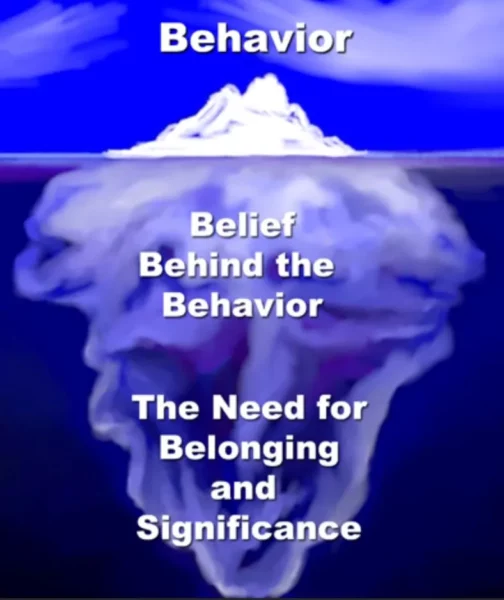
Many traditional parenting styles focus on an external locus of control, i.e. rewards and punishment, which only offer a temporary solution to a ‘perceived’ behavioral problem, while Positive Parenting focuses on an internal locus of control, i.e. the child’s self-discipline, and the “belief behind the behaviour” which supports them to make the right choice when no one is watching.
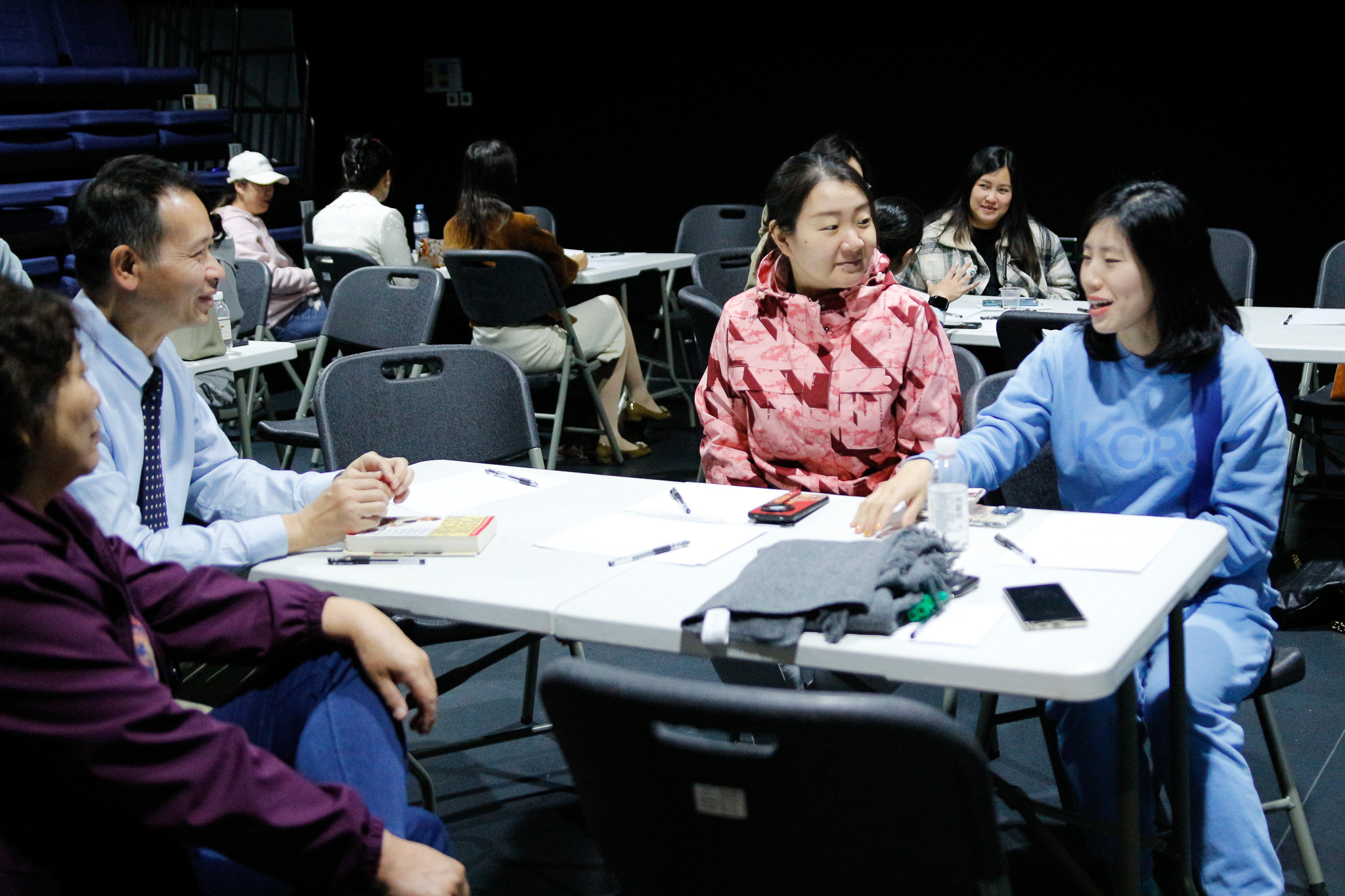
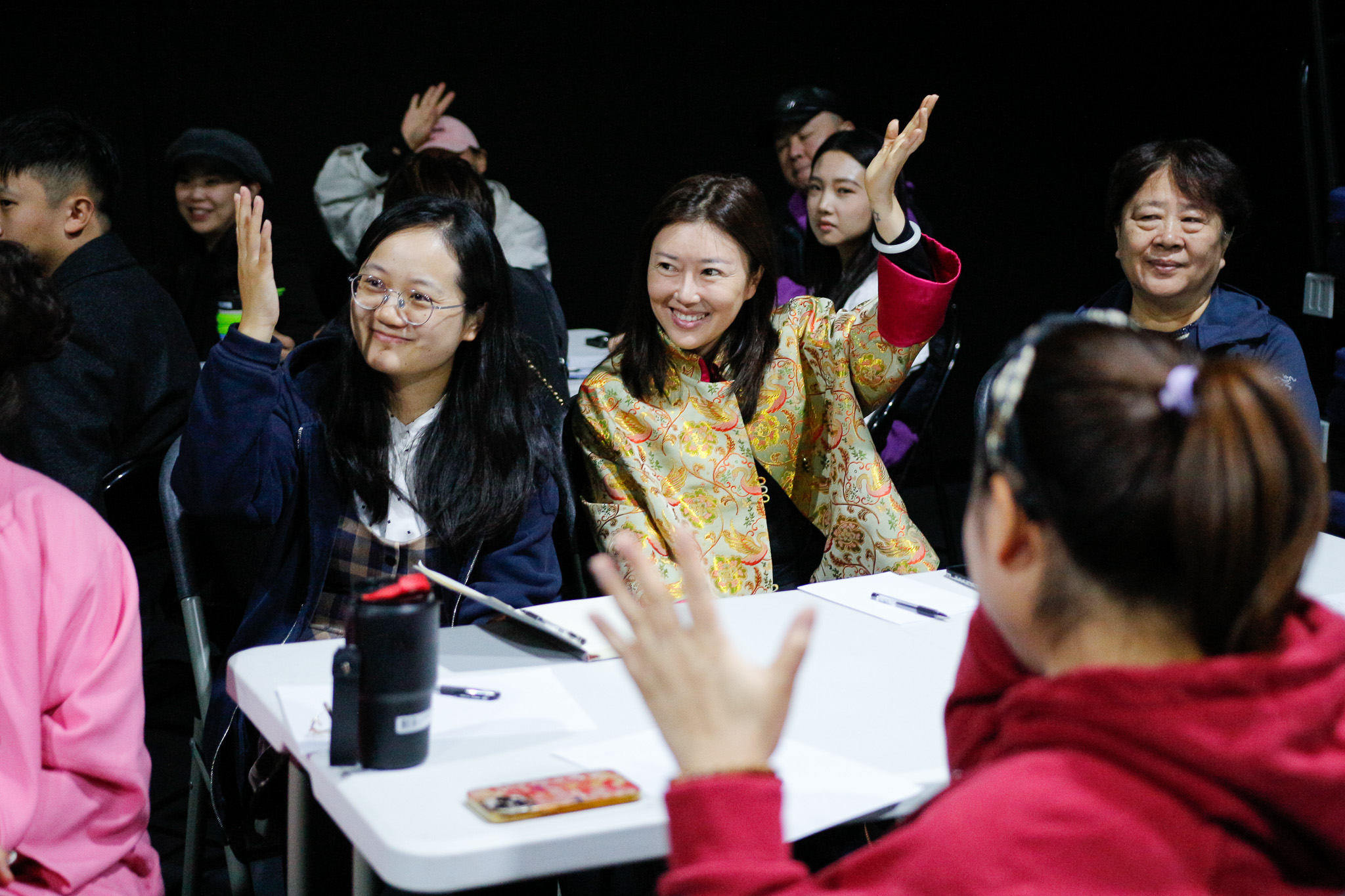
Parenting is a full-time job full of joys, trials, challenges, and triumphs, and there is no doubt that parenting can be rewarding and exhausting at the same time. No parent is perfect, and this is something Ms. Katy was keen to emphasise in this workshop. But parent-child relationships have a powerful effect on a child’s emotional well-being, basic coping and problem-solving abilities, and future capacity for relationships; therefore sensitive, responsive, and predictable care can develop the skills children need to succeed in life. Ms. Katy compassionately led parents through interactive activities and roleplays exploring ‘Asking versus Telling’, the harms of Time outs when used in a punitive manner to punish children, and the benefits of positive time outs, and empowering parents to say ‘No’ with loving kindness.
POSITIVE PARENTING STRATEGIES
ASKING VERSUS TELLING
Parents learned how to use an everyday challenge they may experience, such as ‘not listening’ to coach their child into developing valuable social and life skills. By adapting their interaction style and moving from ‘telling’ a child to do something to ‘asking’ them, parents helped children to feel respected and capable of solving problems independently. Ms. Katy discussed the physiology of asking vs. telling; telling a child “Do your homework!” will most likely make the child stiffen and signal to their brain to resist the command. Whereas asking respectfully “What is your plan for doing your homework?” engages the child, their body relaxes, and a message is sent to their brain to search for an answer. During the process of searching, the child feels respected, capable, and is more likely to cooperate.
TIME-OUTS AS A PUNISHMENT
Time-Outs, grounding a child, or asking them to sit in the “naughty chair’ are punitive discipline strategies where a child is removed from the loving environment with the goal of having the child ‘think about what they did wrong’. Ms. Katy led parents through a mini lecture and several role plays which emphasised the negative results of punitive time out and explained how children are always making decisions about themselves and about what to do in the future based on what they think and feel in response to their experiences and interactions with parents.
POSITIVE TIME-OUT AREAS
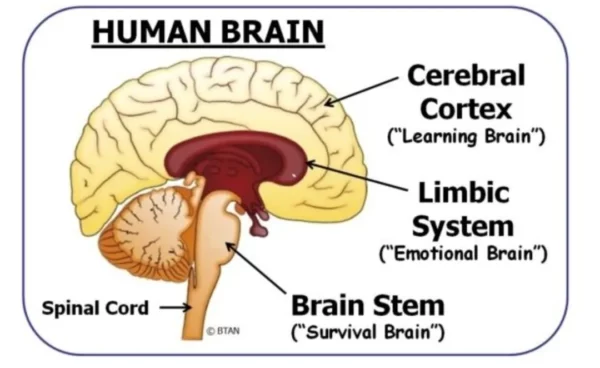
Experiencing emotions make us human, but for a child, intense or big feelings can feel scary and overwhelming. Making space for your child’s strong emotions and validating their experience allows your child to develop a healthy acceptance of their feelings. When your child doesn’t fight against their feelings, undue stress and anxiety is eliminated. Parents can support children in “feeling and working through” their emotions by co-creating a positive time out experience that will support them in difficult situations. This can be a cosy area at home, which the child adorns with pillows, books, stuffed animals, music…anything the child chooses that makes them feel calm or that may help them to self sooth when emotionally heightened. Positive time out allows children (and adults) space to calm down until they are again functioning from their rational brain (the cortex) so they can problem-solve and learn. Positive time out also encourages children to form positive beliefs about themselves, their world, and their behaviour. In this state of mind, they can learn from their mistakes and problem solve how to make amends for any hurt or damage their actions or words might have caused.
“BRAIN IN THE PALM OF YOUR HAND”
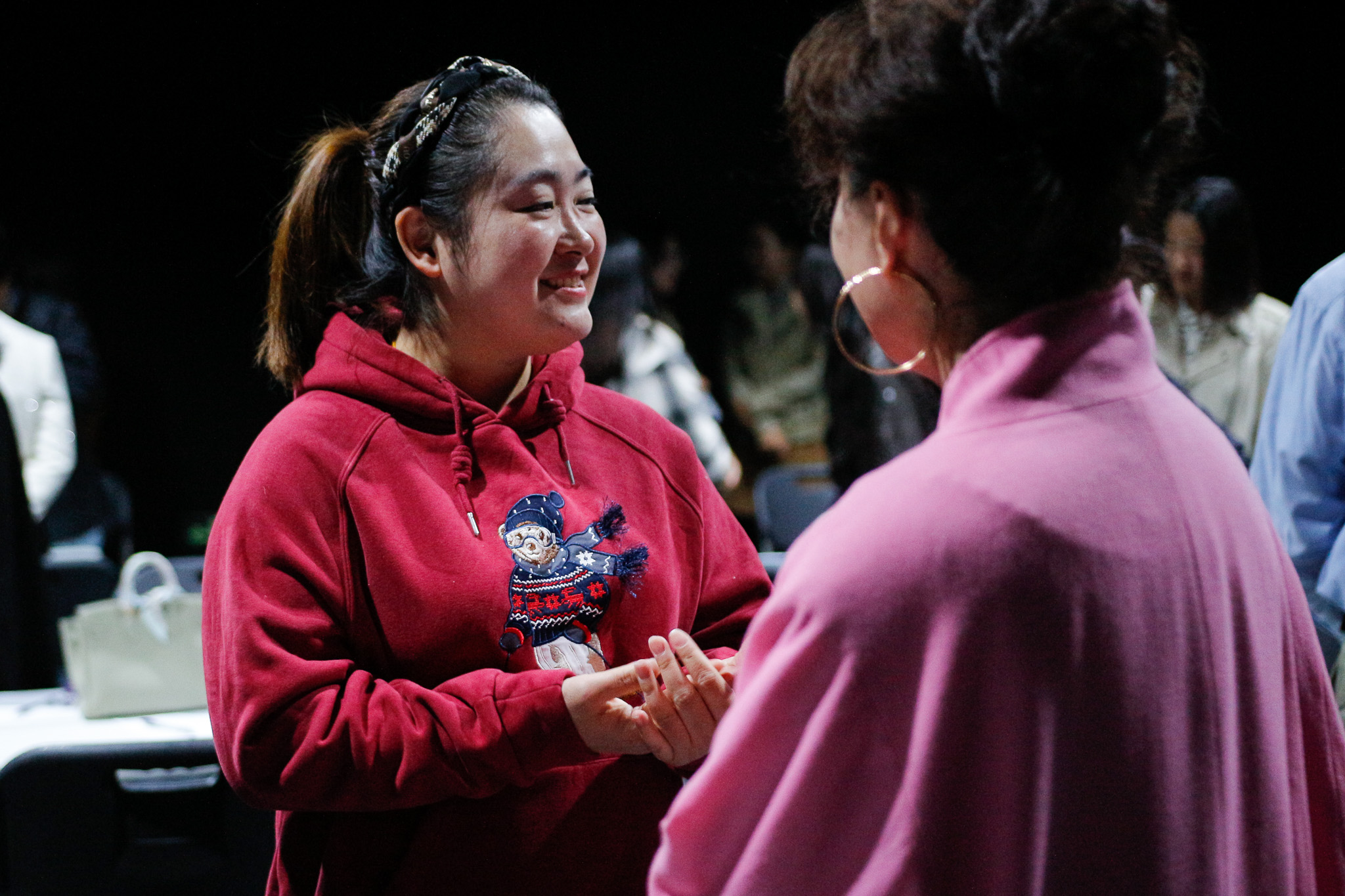
This activity was used to illustrate the different parts of the brain and the role of the prefrontal cortex in emotional regulation and rational decision making. Ms. Katy explained how heightened emotions can lead to a “flipping of the lid,” where the prefrontal cortex temporarily disconnects, causing individuals to react impulsively. Parents learned to recognise these moments in their children and themselves, allowing them to strategise methods for self-soothing before engaging in problem solving. This task was developed to foster empathy and to equip parents on how to guide their children through emotional challenges.
“I LOVE YOU AND THE ANSWER IS NO”
Ms. Katy led an interactive role play which highlighted the importance of being both kind and firm in our relations with children. Kindness is important to show respect for the child. Firmness is important to show respect for self and for the needs of the situation. A wonderful way to apply this principle of kindness and firmness is to use the phrase I love you, and the answer is “No”. After this role play, parents engaged in a discussion about the importance of making a gentle “physical connection” before saying, “No” as well as the use of supportive non-verbal positive reinforcement of their answer if children continue to coax.